



tulsi tea benefits

What Is Tulsi?

Not Just a Tea. A 3,000-Year Sacred Medicine.

Tulsi (Ocimum sanctum), also known as Holy Basil, is one of the most important herbs in Ayurveda. For centuries, people in India have used Tulsi for its powerful health benefits and have worshipped it in Hindu households. Ancient Ayurvedic texts, including the Charaka Samhita and Sushruta Samhita, describe Tulsi as a valuable medicinal herb. Today, modern research recognizes Tulsi as a powerful adaptogenic herb that helps the body manage stress naturally. Many people drink Tulsi tea to support immunity, promote relaxation, improve respiratory health, and enhance overall well-being. These Tulsi tea benefits have made Holy Basil one of the most popular herbal remedies worldwide.

“Tulsi is incomparable for its positive effect on mind, body, and spirit.” — Charaka Samhita, 400 BCE

There are three main types of Tulsi found in India: Rama Tulsi, which has green leaves and a mild flavor; Krishna Tulsi, known for its purple-tinged leaves and stronger taste; and Vana Tulsi, a wild variety prized for its rich aroma and high concentration of beneficial plant compounds.At Blossom Brews, we use premium Vana Tulsi whole leaves because they naturally contain high levels of powerful antioxidants and plant compounds, including eugenol, rosmarinic acid, and ursolic acid. These compounds contribute to many of the well-known Tulsi tea benefits.Unlike many herbal teas that target a single health concern, Tulsi supports overall wellness throughout the body. As a natural adaptogenic herb, Tulsi helps the body manage stress, supports a healthy immune system, promotes balanced blood sugar levels, fights inflammation, and protects cells from oxidative stress. These unique Holy Basil benefits have made Tulsi tea one of the most popular Ayurvedic herbal teas for daily health and well-being.

The Science

Why Tulsi Works: The Phytochemistry of India's Most Powerful Herb.

Tulsi contains over 300 identified phytochemicals — a density of bioactive compounds matched by almost no other medicinal plant. These are the most therapeutically significant.


Eugenol — The Anti-Inflammatory Core

Eugenol is one of the most important active compounds in Tulsi and plays a key role in many of its health benefits. Research shows that eugenol has powerful anti-inflammatory, antioxidant, and antimicrobial properties that help support overall wellness. It may help reduce inflammation, protect cells from oxidative stress, and support the body’s natural defenses against harmful bacteria and respiratory pathogens. These benefits make Tulsi tea a popular Ayurvedic herbal tea for immunity, respiratory health, and daily wellness.

Ursolic Acid — The Metabolic Regulator

Ursolic acid is a powerful plant compound found in Tulsi that supports healthy metabolism and blood sugar balance. Research suggests it may help slow the digestion of carbohydrates, support insulin sensitivity, and promote more stable blood sugar levels. Studies have also linked Tulsi to improved glucose management and metabolic health. In addition, ursolic acid may help support healthy weight management by encouraging the body’s natural energy-burning processes. These benefits make Tulsi tea a popular choice for overall wellness and metabolic support.

Rosmarinic Acid — The Cortisol Regulator

Rosmarinic acid is a powerful antioxidant found in Tulsi that contributes to its stress-relieving and adaptogenic benefits. Research suggests it helps support a healthy stress response by promoting balanced cortisol levels and reducing oxidative stress in the body. It also offers neuroprotective properties that support brain health and overall well-being. Regular consumption of Tulsi tea has been associated with reduced stress levels, making it a popular choice for daily wellness and relaxation.

Ocimumosides A & B — The Stress Modulators

Tulsi contains unique plant compounds that help the body adapt to stress naturally. Research suggests these compounds support a balanced stress response, promote relaxation, and help maintain healthy mood levels. Unlike many conventional calming agents, Tulsi supports mental well-being without causing drowsiness. These adaptogenic properties are a key reason why Tulsi tea is widely used for stress relief, emotional balance, and overall wellness.

The Adaptogen Advantage:
Tulsi Is Unlike Any Other Herb

Most herbs treat one condition. An adaptogen is different — it reads your body’s state and modulates it bidirectionally. If your cortisol is too high, tulsi lowers it. If your immune response is insufficient, tulsi amplifies it. If your blood sugar is spiking, tulsi blunts it. Tulsi was the first plant formally classified as an adaptogen by pharmacologist N.V. Lazarev — and it remains the gold standard of the category alongside ashwagandha and rhodiola.

  • Regulates cortisol — up or down as needed by body
  • Amplifies immune response when under-active
  • Modulates blood glucose bidirectionally
  • Neuroprotects under oxidative stress
  • Anti-inflammatory without immunosuppression

SCOOP

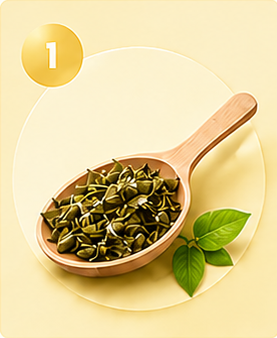
Add 1–2 teaspoons of dried Chamomile Tea flowers into a cup or teapot.

STEEP

Pour hot water a 90–95°C (194–203°F) and steep the flowers for 5–7 minutes.

WATCH THE GOLD

See the Tea bloom into a soft golden color as the natural compounds infuse.

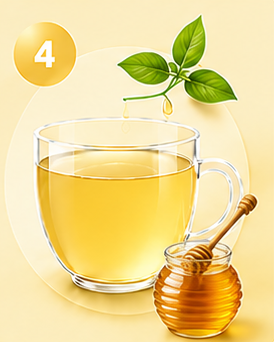
SWEETEN

 Tulsi’s flavour is distinctly earthy, peppery, and gently clove-warm — beautiful on its own, but enhanced by a small quantity of raw honey. 

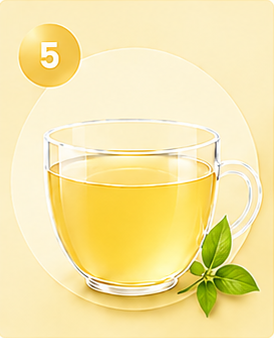
ENJOY YOUR BREW

Sip your relaxing chamomile tea for relaxing or serve chilled for a soothing iced version.

More leaves deliver more eugenol and rosmarinic acid — but don’t exceed 2 teaspoons as the clove-like bitterness from excess eugenol becomes unpleasant.

Always cover your cup or teapot while steeping.This covered-steep rule matters more for tulsi than almost any other herbal tea because of its exceptionally high volatile oil content. An uncovered cup of tulsi tea loses up to 30% of its therapeutic compounds to evaporation.

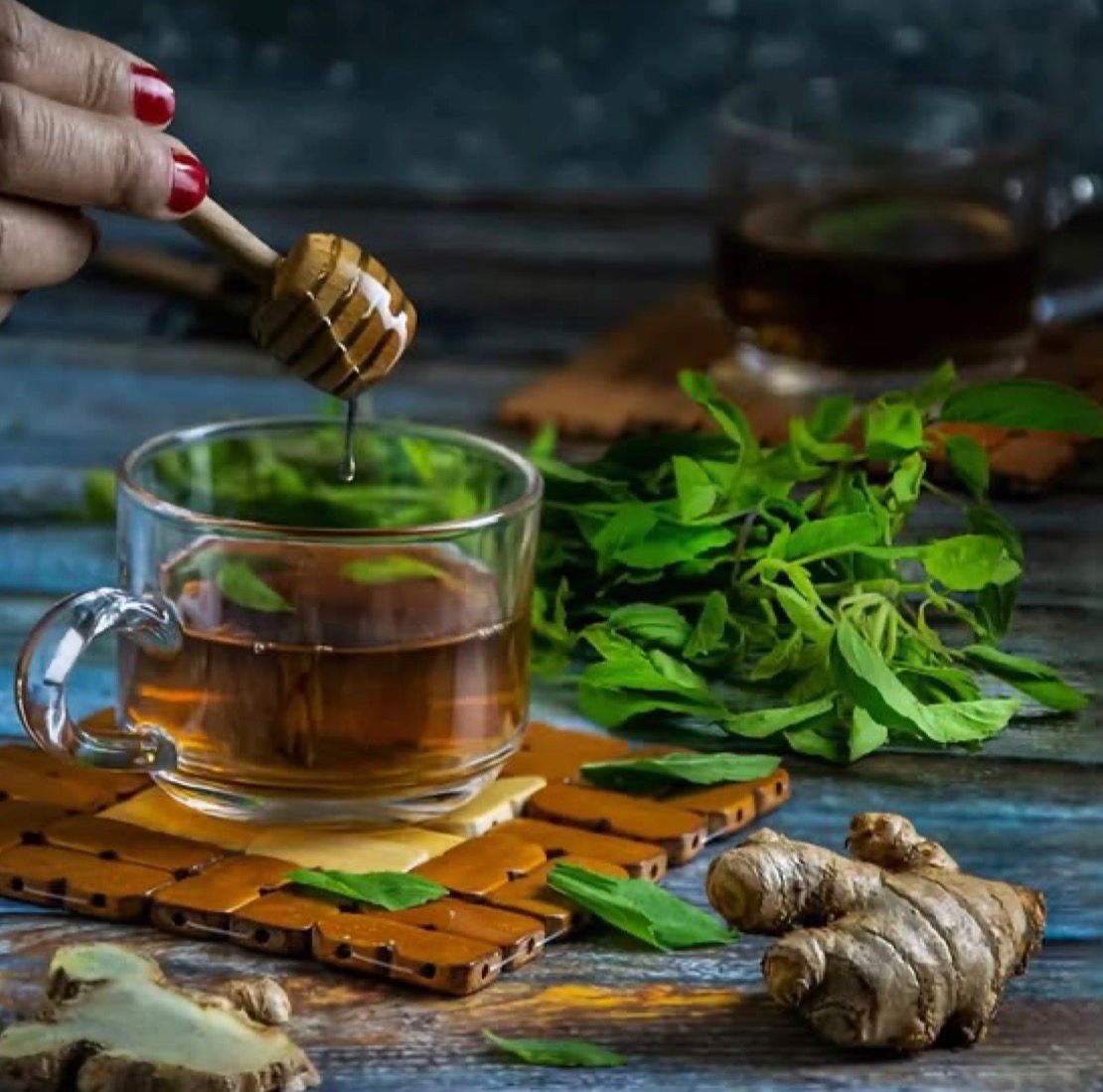
Raw honey added to warm (not hot) tulsi tea is the most traditional Ayurvedic preparation — and honey’s own antimicrobial compounds synergise beautifully with eugenol for respiratory and immune support.

The Charaka Samhita on Tulsi — Written 2,400 Years Ago

For thousands of years, Ayurveda has valued Tulsi as a powerful herb for overall health and well-being. Ancient texts such as the Charaka Samhita describe Tulsi as a herb that supports mental clarity, promotes vitality, and helps maintain balance in the body. Traditionally, Ayurvedic practitioners have used Tulsi to support stress management, respiratory health, and long-term wellness. Even the natural aroma of Tulsi was believed to have calming and therapeutic effects, a belief that aligns with modern research on the connection between scent, mood, and the nervous system.

Six Ways to Brew Tulsi — Each for a Different Purpose.

Classic Tulsi Tea

Whole leaves, 90°C, 6 min covered. Clean, peppery, grounding. The daily ritual brew. 90–95°C · 6 min · 1 tsp
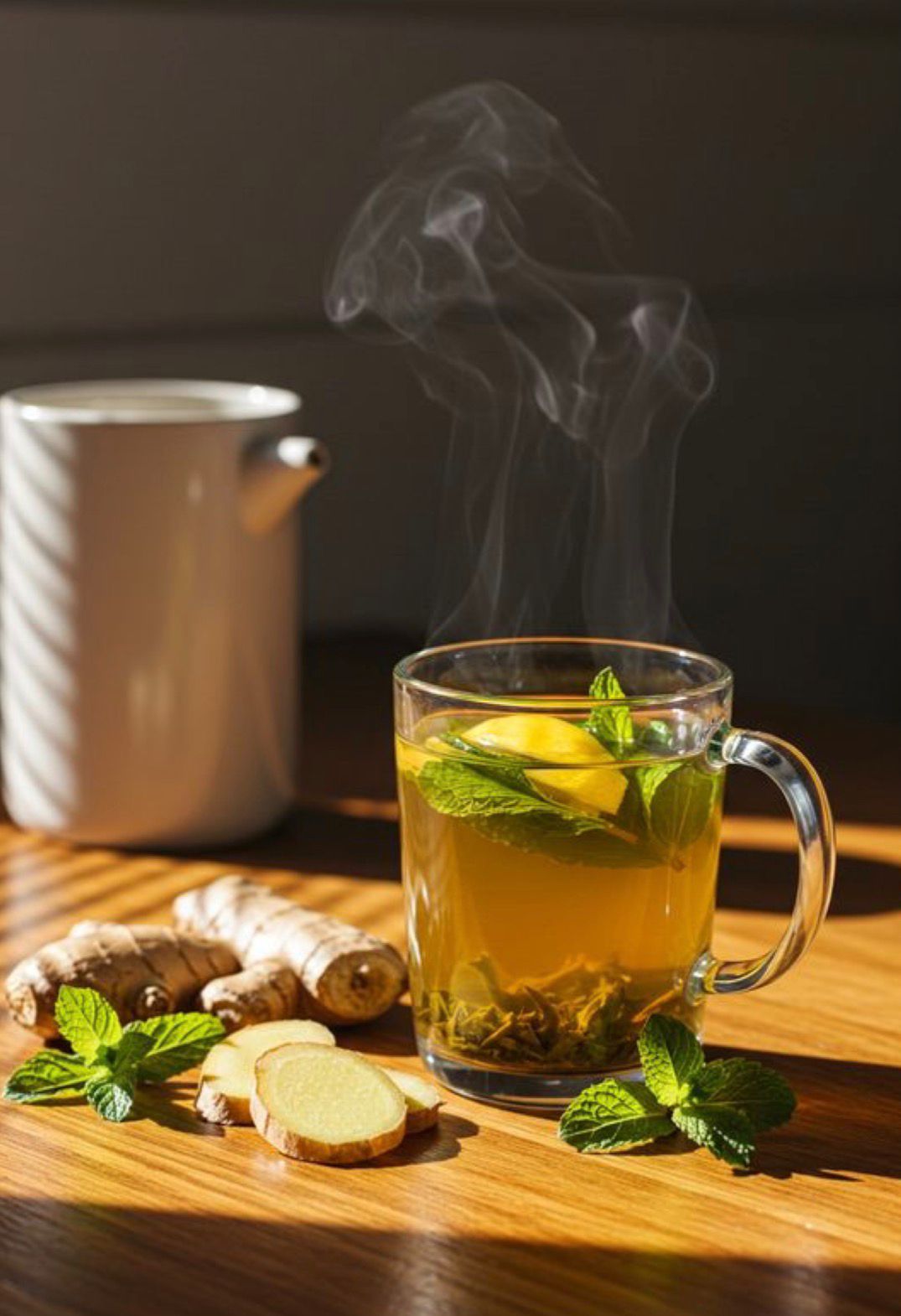
Ayurvedic Tulsi Kadha

Simmered 10 min with ginger, pepper, cinnamon, honey. Maximum therapeutic potency — the ancient immune booster. Simmered · 10 min · 1.5 tsp

Iced Tulsi Elixir

Brew double-strength, cool to room temperature, serve over ice with mint and a dash of lime. Deeply refreshing in summer heat. Cold brew or iced · 2 tsp

A note on safety and daily use: Tulsi tea is generally considered safe for most healthy adults and has been consumed for centuries as part of daily wellness routines. Drinking 1–3 cups of Tulsi tea per day is well tolerated by most people. However, those taking blood-thinning or blood sugar medications should consult a healthcare professional before adding Tulsi regularly to their routine, as it may enhance the effects of these medications. Pregnant or breastfeeding women should also seek medical advice before regular consumption. For most adults, a daily cup of Tulsi tea is a safe and enjoyable way to support overall health, stress management, and well-being.

What are the benefits of tulsi tea?

Tulsi tea offers a wide range of health benefits. It helps support immunity, reduces stress, promotes healthy digestion, and provides powerful antioxidants that protect the body from oxidative damage. Many people also drink tulsi tea to support respiratory health and overall wellness.

You can drink tulsi tea at any time of the day. Many people prefer drinking it in the morning to support digestion and energy levels, while others enjoy it in the evening to promote relaxation and reduce stress.

Yes, most healthy adults can drink tulsi tea daily. Drinking one to three cups per day can help you enjoy its wellness benefits. If you take medications or have a medical condition, consult your healthcare professional before making it a daily habit.

Tulsi tea may help reduce stress and anxiety because tulsi acts as an adaptogenic herb. It helps the body manage everyday stress and supports a sense of calm without causing drowsiness.

Tulsi tea contains antioxidants and plant compounds that support the immune system. Many people drink tulsi tea regularly to help their bodies fight seasonal illnesses and maintain overall health.

Tulsi tea is generally safe for most people when consumed in moderation. However, tulsi may interact with blood-thinning medications, diabetes medications, and blood pressure medications. Pregnant or breastfeeding women should consult a healthcare professional before drinking tulsi tea regularly.

Yes, many people drink tulsi tea on an empty stomach in the morning. Drinking tulsi tea before breakfast may help support digestion, hydration, and overall wellness throughout the day.

Shopping Cart
Scroll to Top